Short answer: a slow tour (we call it slow-mo among ourselves) means a trip with fewer places and more time for each one. You stay at one or two bases instead of moving every day, you don't get up at six to an alarm, and you leave empty hours in the schedule. This format suits people who travel to rest rather than to collect sights: those worn out by the news and group chats, sleeping badly, craving quiet.
More and more often people ask us not "how much will we manage to see" but "can I just get some sleep there". So let's break it down point by point: how a slow tour differs from a regular one, who it's for and who it isn't, and what's known about sleep and digital detox on trips.
| Regular packed tour | Slow tour | |
|---|---|---|
| Nights | A new place almost every night | 2–4 nights in one place |
| Wake-up | Often before dawn, for the light and the schedule | No alarm or a late start |
| Travel time | Several hours a day | Short transfers, some days with none at all |
| Programme | Scheduled hour by hour | Free time every day |
| Phone | In your hand all the time: maps, chats, photos | You can switch off for half a day without worrying |
| How much you'll see | Lots of places, a little of each | Fewer places, but in more depth |
| Who it's for | First time in the country, few days | Worn out, wants to sleep and come back to themselves |
What a slow tour is
A slow tour isn't about the destination or the type of hotel. It's about pace. The main principle: better one place properly than ten places through a bus window.
This isn't something we made up. In its 2025 trends report, the Hilton chain named slow travel and digital detox among the notable trends of the year (Hotel Dive on Hilton's 2025 report). In its 2026 report, Hilton writes that 56% of travellers name rest and recovery as the main goal of their holiday (Athletech News on Hilton's 2026 report). The same report introduced the word hushpitality: demand for quiet and stillness.
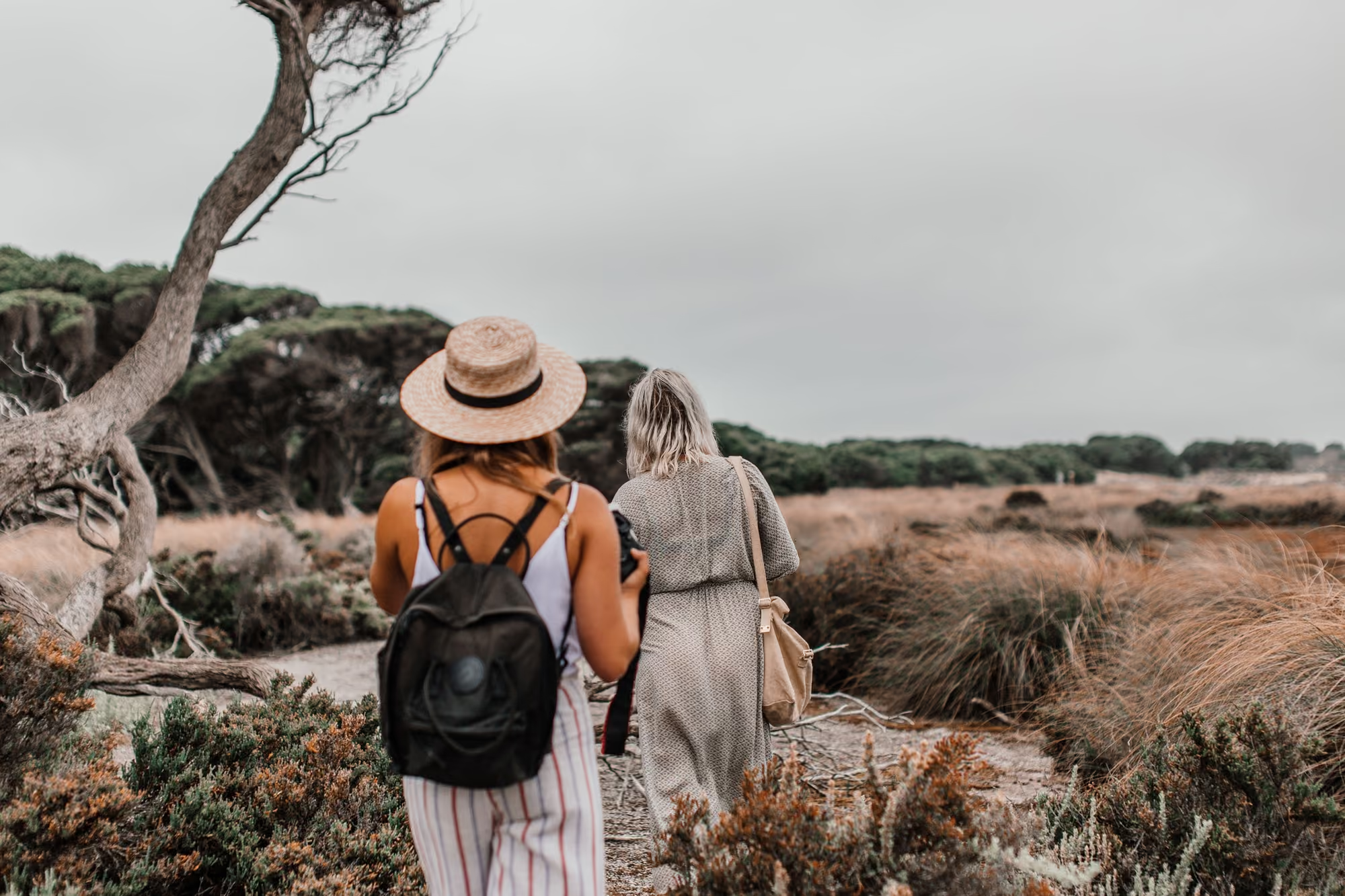
What a slow format usually includes:
- one or two bases for the whole trip, you unpack once;
- one main activity a day, not four;
- a late breakfast and a free evening;
- time to just sit: by the water, in the sauna, in a café;
- a small group where you don't have to join in with everything.
- a shared candlelit dinner in the evening
Who a slow tour is for
A slow tour suits people who need rest from a holiday, not a new project. If you recognise yourself in at least two of these, it's your format:
- you're worn out by information noise: news, work chats, notifications;
- you're chronically short on sleep and dream of at least a week of sleeping as much as you want;
- after your last holiday you needed a holiday from the holiday;
- you've already been to this country and seen all the main things;
- you're travelling with a partner or a friend and want to finally talk instead of rushing around;
- the feeling of a place matters more to you than ticking boxes.
Who a slow tour isn't for
If you're visiting a country for the first and possibly only time, a slow format may disappoint you. You'll come back rested, but you'll miss a lot.
A slow tour also isn't for you if:
- you only have 3–4 days and want to see as much as possible;
- doing nothing makes you more anxious than rushing around does;
- you physically can't disconnect from work: on-call duty, urgent decisions;
- you get bored staying in one location for more than two nights.
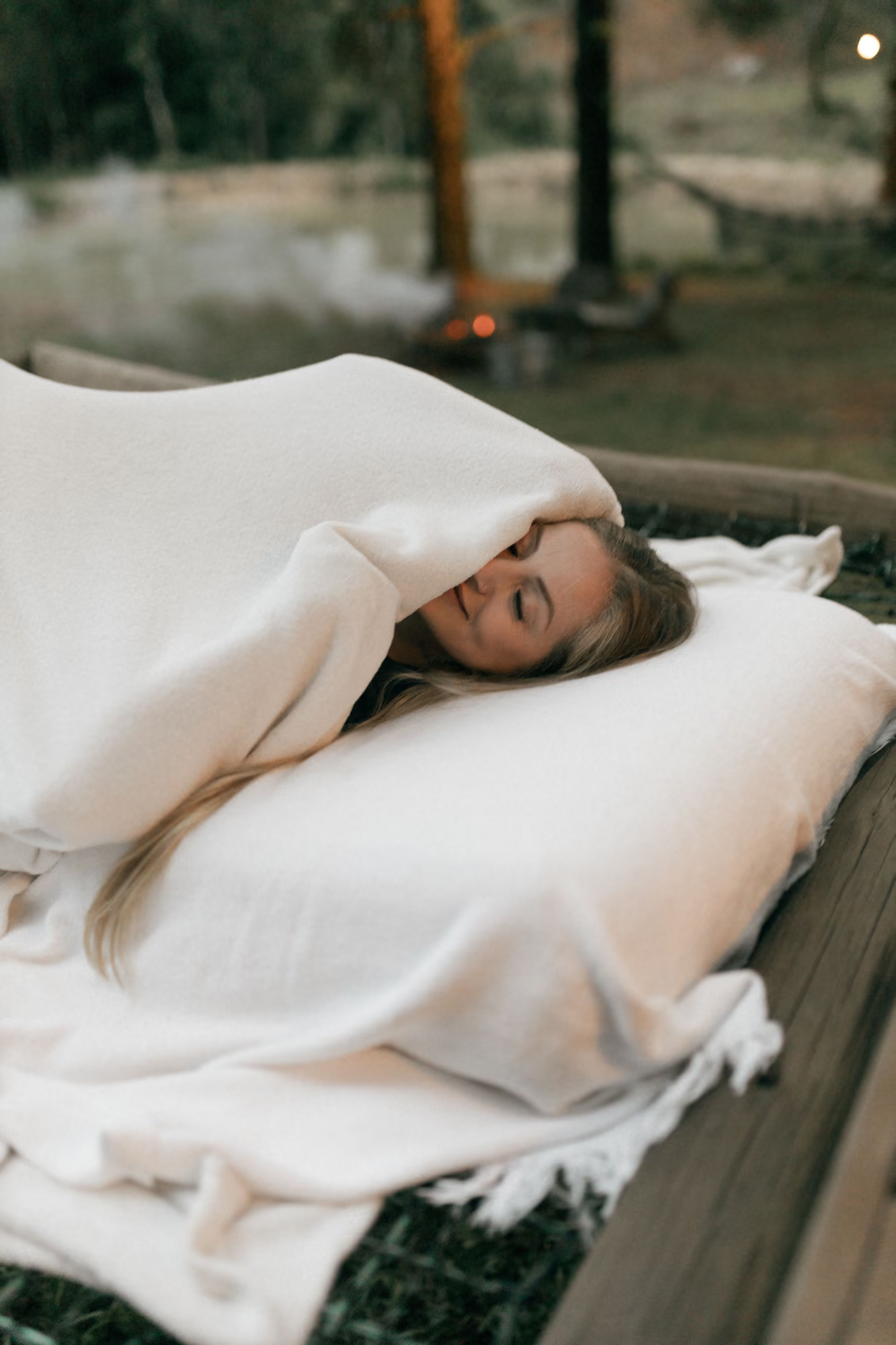
Can you actually get enough sleep on a trip
An expensive "sleep" hotel isn't required for that. Three things usually ruin sleep on a trip, and all of them can be removed:
- Early departures.
- A new bed every night. Many people sleep worse on their first night in a new place. The fewer moves, the better.
- A big time difference. If the goal is to catch up on sleep, flying to the other side of the world for a week may not be the best idea. Europe and the northern countries give you rest without shifting your body clock.
Bring a sleep mask and earplugs. In the northern countries it's light almost around the clock in summer, and not every hotel has blackout curtains.
Does a digital detox work
A 2026 study in the journal Frontiers in Psychology adds that disconnecting from your devices on a trip strengthens the sense that a place restores your energy. Through that, people's attention, life satisfaction and mood improved (Frontiers in Psychology, 2026).
You don't need to throw your phone away. What actually helps:
- set an out-of-office reply at work and name the date you'll be reachable again;
- turn off notifications for every messenger except family;
- download offline maps in advance so you don't open your phone just to navigate;
- agree with yourself on a "connection window": 20 minutes in the evening, for example;
- leave news apps deleted for the duration of the trip.
Frequently asked questions
What is a slow tour?
It's a trip at a calm pace: fewer places, more time for each, 2–4 nights in one place, no early wake-ups and free hours every day. The goal is to rest and get a feel for the place, not to see everything.
How is slow travel different from a regular beach holiday?
On a beach you do almost nothing, while on a slow tour you're still travelling: walking, seeing nature, getting to know a place. You just do it without rushing and without an hour-by-hour schedule.
Who is a slow tour for?
For people worn out by information noise, chronically short on sleep, who have already been to the country or want a holiday that doesn't require another holiday afterwards. For those visiting a country for the first time and only briefly, a packed format usually works better.
Can you do a digital detox on a group tour?
Yes. In a group it's even easier: the guide handles navigation and logistics, so you need your phone far less often. Just turn off notifications and leave yourself a short connection window in the evening.
How many days do you need to rest in a slow format?
There's no clear-cut data, but the first day or two go on breaking the habit of reaching for your phone and levelling out your sleep. That's why we wouldn't take less than 5–6 days.