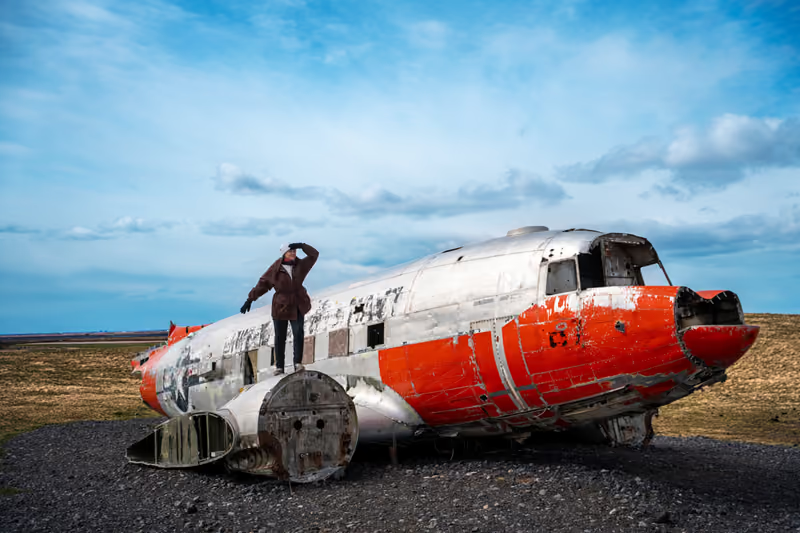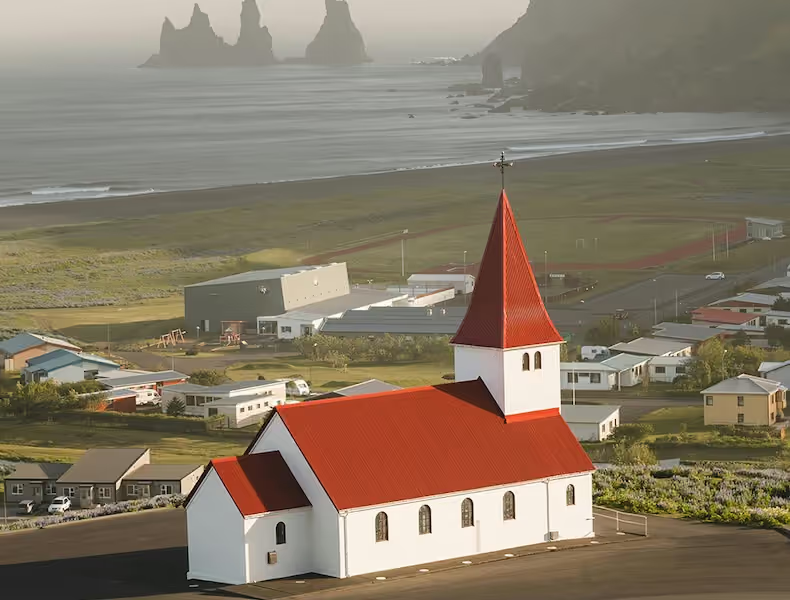
Short answer: Iceland in November is worth it if your main goal is the northern lights and you're ready for short days, wind and a flexible plan. The nights are long and dark, so there's a chance of seeing the aurora on almost any clear night. But it all comes down to the clouds: under thick cloud cover you won't see a thing, no matter how strong the activity is.
People ask us about November every autumn: "isn't it too dark?", "won't the roads be closed?", "will we definitely see the aurora?". We run groups around West and South Iceland at this time of year and we know what an ordinary November day on the island looks like. Below: weather and daylight, how to read the aurora forecast yourself, what you can realistically fit into 6 days and what to pack. We have a separate article on paperwork: Do you need a visa for Iceland?.
| What | How it is in November | What it means for your trip |
|---|---|---|
| Daylight | Short, and getting shorter by the end of the month | We set off before dawn and save the main sights for the light hours |
| Darkness | Long nights | You can start hunting the aurora in the evening, no need to wait for the dead of night |
| Weather | Changeable: rain, sleet, wind, clear spells | We check the day's plan against the forecast each morning |
| Roads | Main roads open, highland roads closed | The West and South are accessible, the interior isn't |
| Crowds | Fewer than in summer | More space at the waterfalls and beaches |
What's the weather like in Iceland in November?
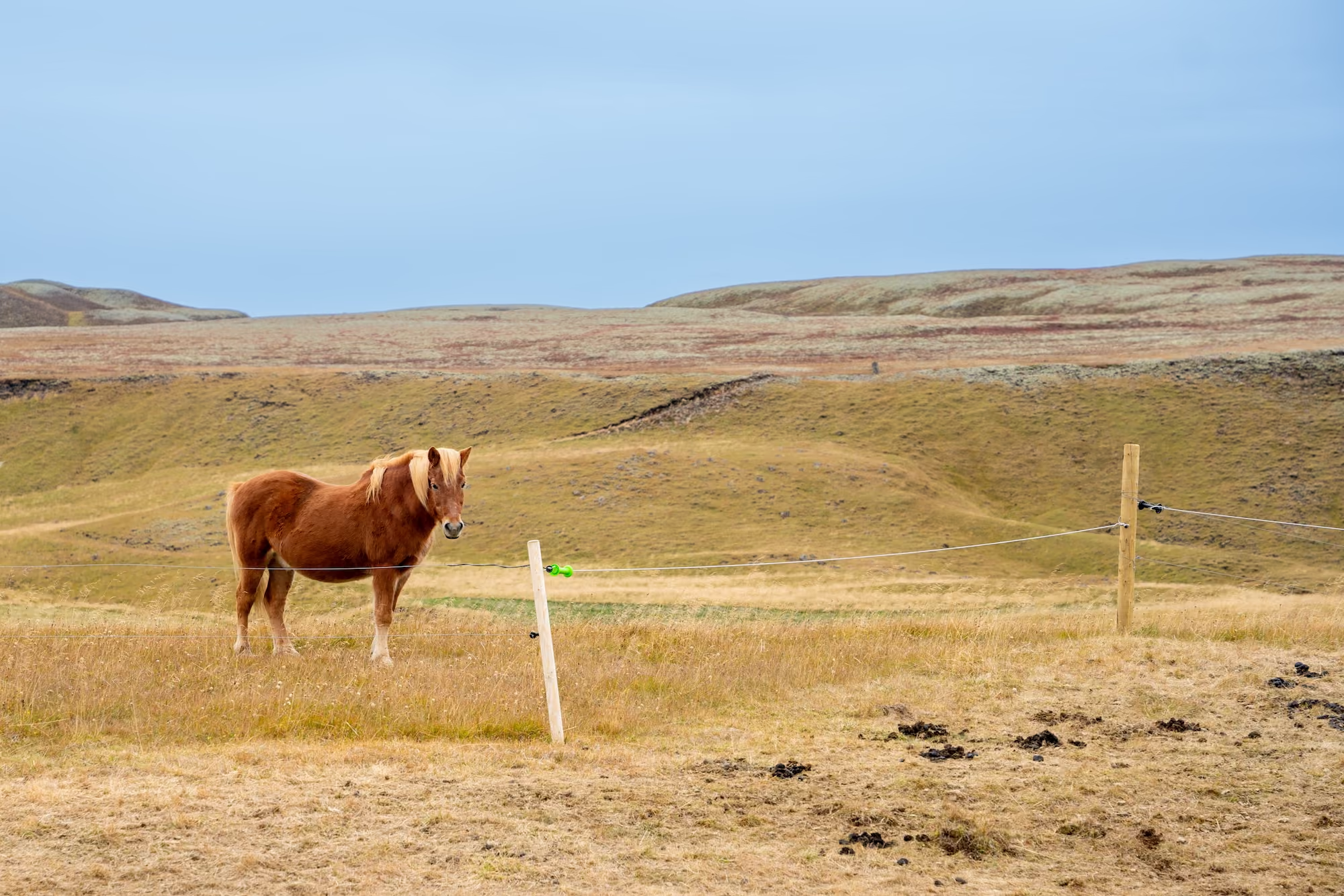
The main thing about November weather isn't the cold, it's the wind and how fast everything changes. On the coast the temperature usually hovers around zero, but with the wind and damp it feels colder. In a single day you can run into rain, sleet and sunshine.
What that means in practice:
- today's forecast matters more than the week's, so check it every morning on the Icelandic Met Office website;
- wind speed there is given in metres per second, not km/h, so the numbers look more modest than they feel;
- in exposed spots (beaches, viewpoints, mountain passes) the wind is stronger than in town;
- hold your car door with both hands in the car park: a gust can rip it right off.
The Met Office also issues weather warnings. If there's a warning for your region, it's better to rework the day's route than to try and "slip through".
How long does the daylight last?
Daylight in November is short: it gets light late, dark early, and there's less of it with every passing week. For the exact sunrise and sunset times in Reykjavík on any given date, check the Met Office aurora forecast page. Handy: it also shows when it gets fully dark and when the moon rises.
How we plan the day:
- we set off while it's still dark so we're at the first stop by sunrise;
- the light hours go to things you need to see with your own eyes: waterfalls, glaciers, beaches;
- in the dark we drive the straight stretches, have dinner, soak in hot springs;
- the evening and night are left for the aurora.
The upside of a short day: sunrise and sunset stretch out, and soft low light lasts almost all day. For photos that's even better than a summer noon.
How to read the northern lights forecast
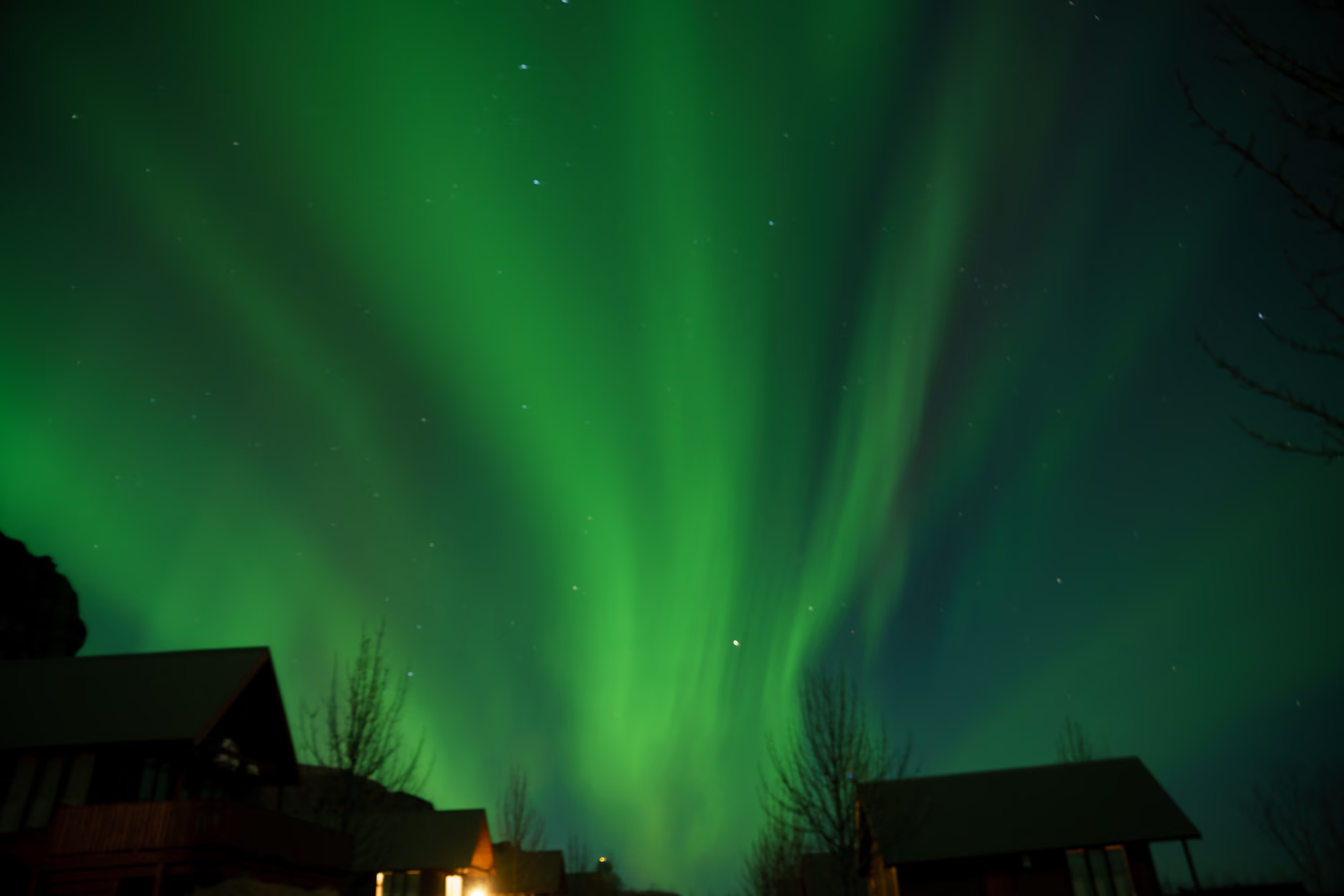
The aurora needs two things: darkness and at least partly clear skies. That's why the cloud forecast matters more to you than the activity index.
The aurora forecast page has three parts:
- the cloud map: white areas are clear, green ones are cloudy. Use the slider under the map to pick the day and hour;
- the activity index in the top right corner: the Kp scale from 0 to 9, forecast for midnight on the selected date;
- the times of sunset, darkness, sunrise and moonrise for Reykjavík.
| Kp in the forecast | What to expect |
|---|---|
| 0–1 | Weak activity, but under clear skies the aurora is sometimes visible |
| 2 | Low activity, but it can already be beautiful |
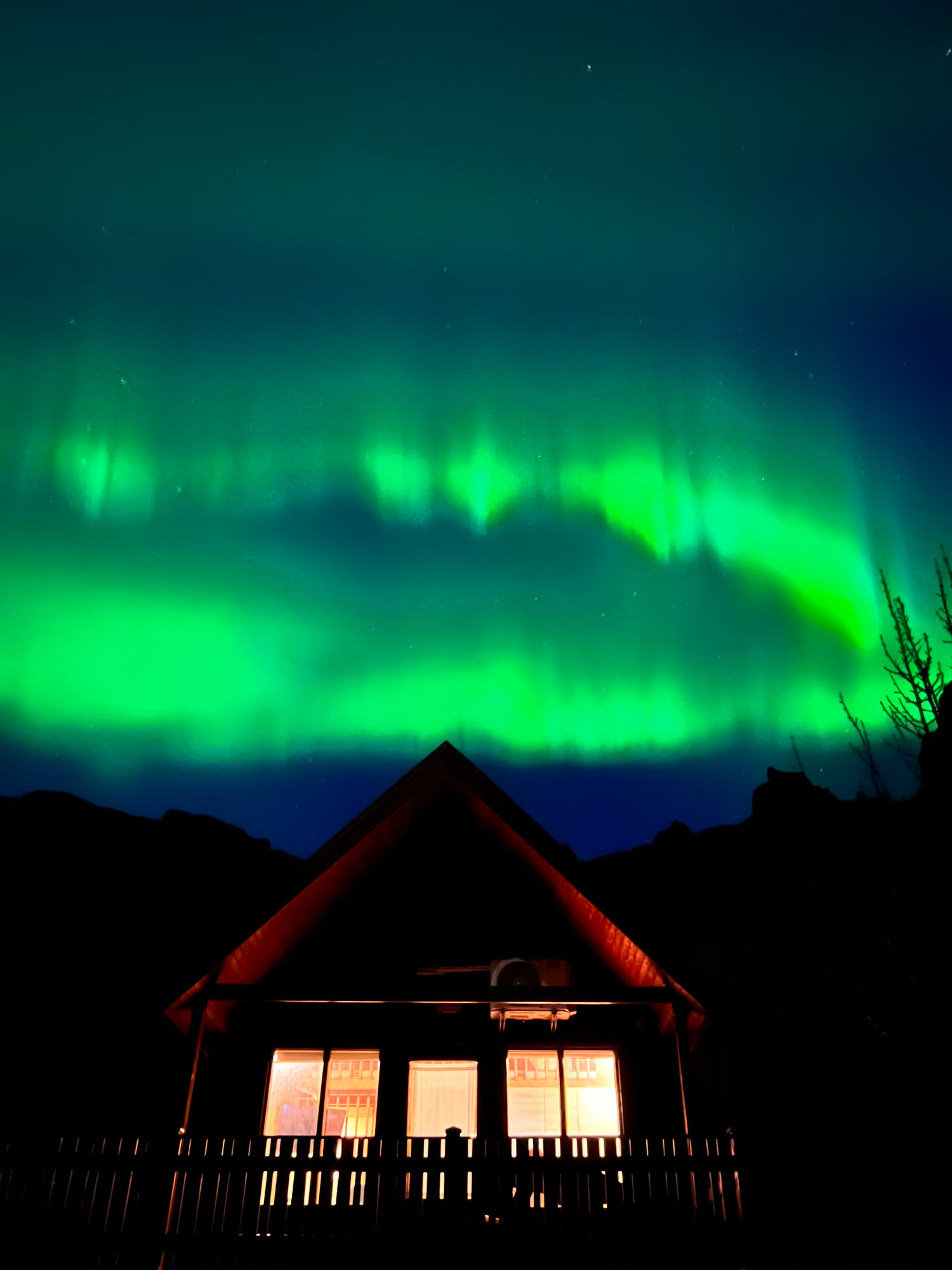
| 3 | Moderate, can be very bright |
| 4 and above | Rare, a good reason not to go to bed |
Nobody can guarantee the aurora. In one week you might get three clear nights in a row, or none at all. So don't build the whole trip around the lights alone — there's plenty to see during a November day too.
Which roads are closed in November?
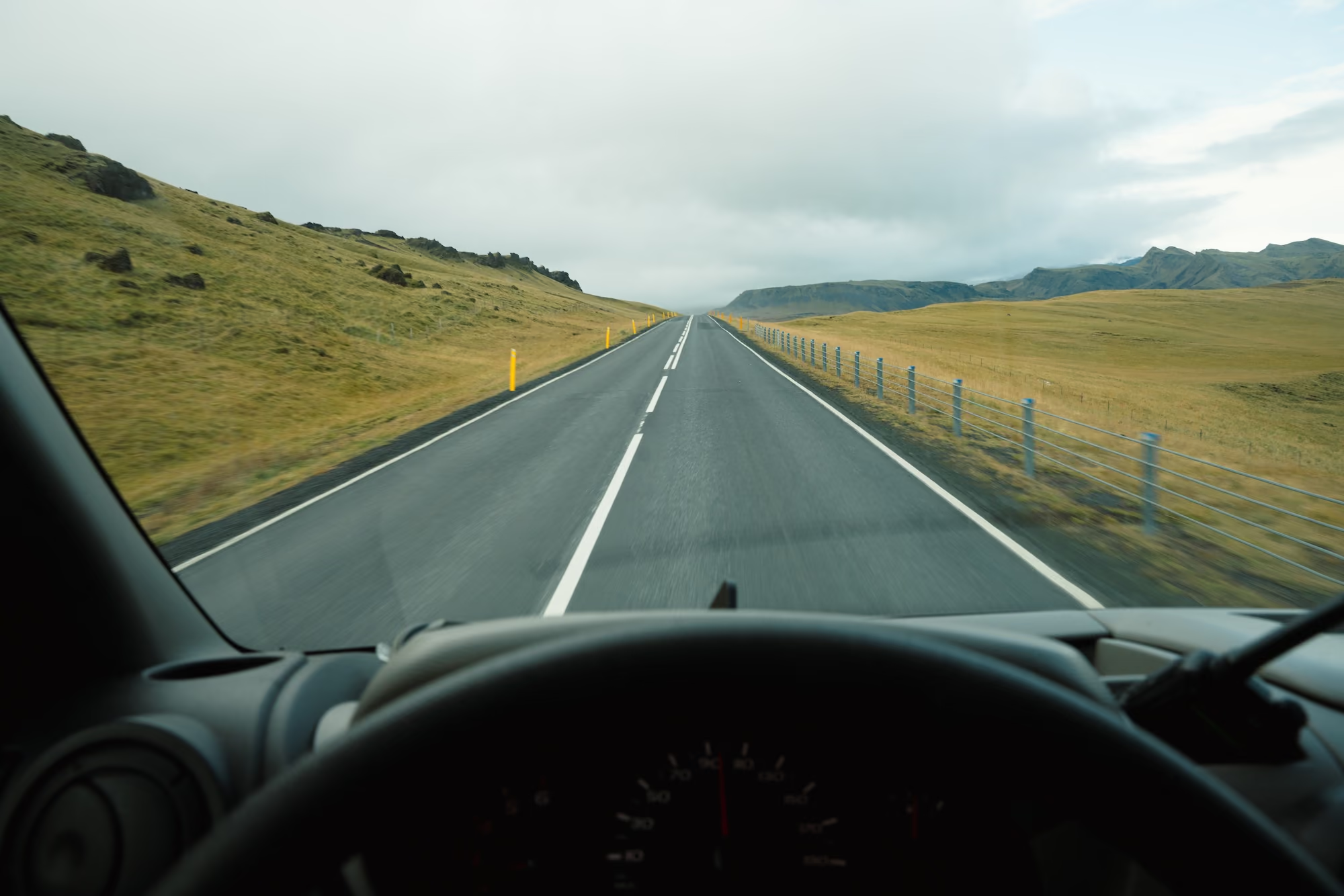
The highland roads in the interior (F-roads) are closed, nobody drives there in winter. The Ring Road and the roads in the West and South are open and cleared, but after a snowfall or in strong wind individual sections can be shut for a few hours or a day.
Before every departure we check:
- road conditions and closed sections on umferdin.is, the Icelandic Road Administration site;
- warnings and advice on Safetravel.is, where you can also leave your travel plan;
- the wind forecast on vedur.is.
If you're driving yourself, build spare time into every transfer and don't plan a long drive for the last day before your flight. A pass closed for half a day easily turns into a missed flight.
What to see in the West and South in 6 days
In 6 days in November you can comfortably cover the Golden Circle, the Snæfellsnes peninsula and the south coast. Going further east with such a short day turns into a race for kilometres. If you want to circle the whole island, that's a different format and more days.
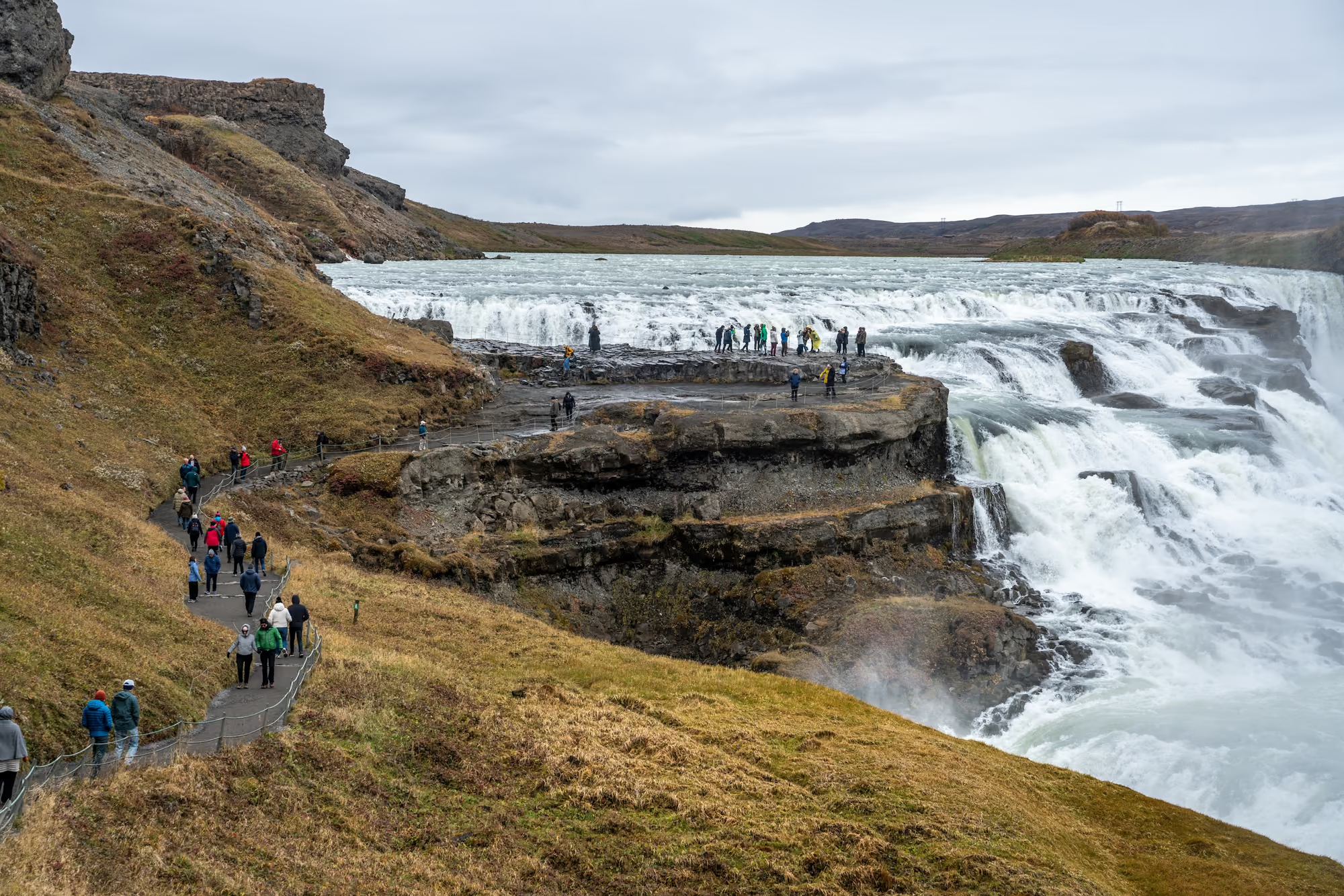
The Golden Circle. Þingvellir National Park, the Strokkur geyser that erupts every few minutes, and Gullfoss waterfall. Close to Reykjavík, a good fit for your first day after the flight.
Snæfellsnes. Mount Kirkjufell, the cliffs at Arnarstapi, the black beach of Djúpalónssandur. The peninsula is called "Iceland in miniature": in a small area you get a glacier, lava fields and the ocean. There's little light pollution here in the evening, a good spot for the aurora.
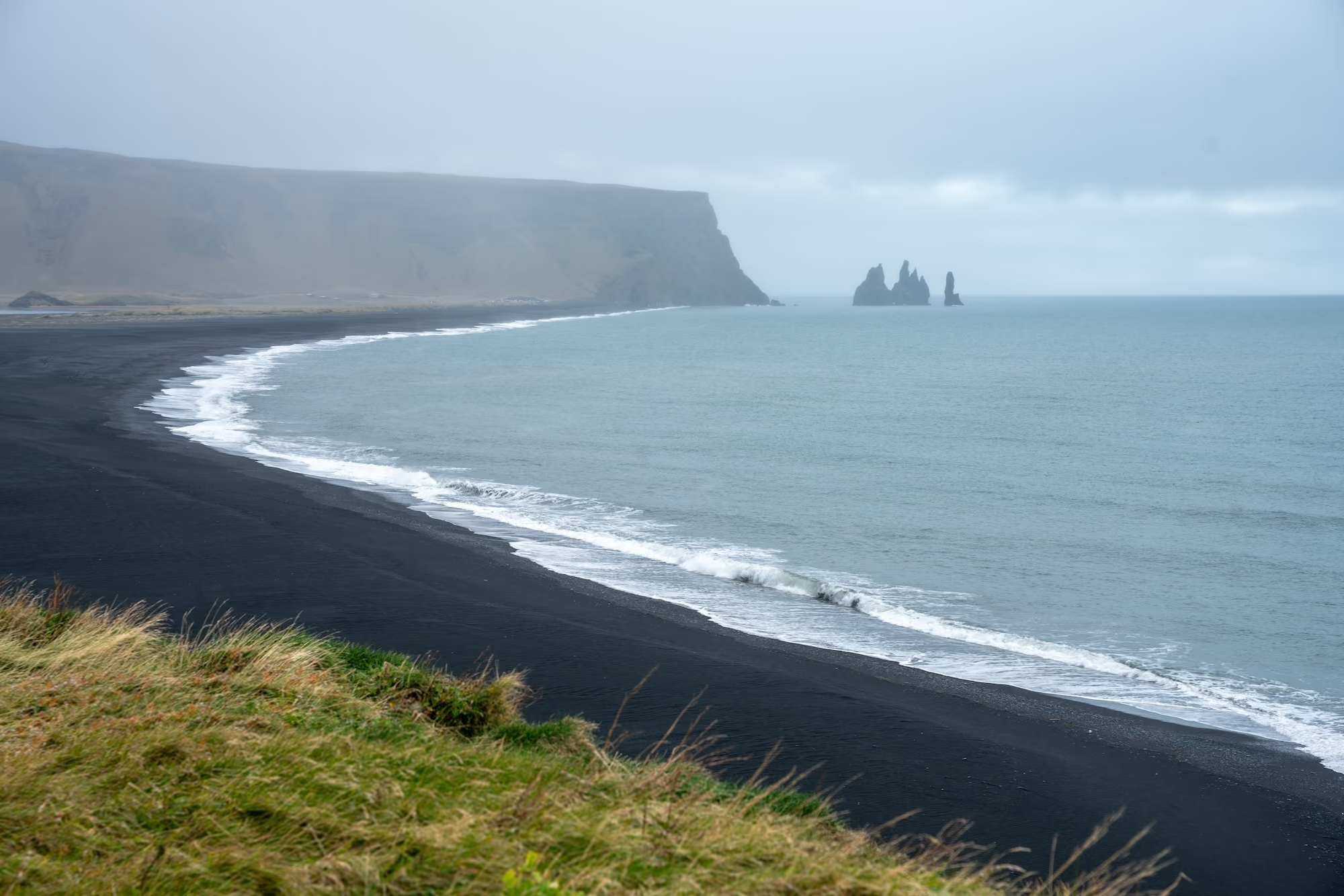
The south coast. Seljalandsfoss and Skógafoss waterfalls, Reynisfjara beach with its basalt columns, the village of Vík. This is the richest part of the route.
Be careful at Reynisfjara. Sudden sneaker waves come far up the shore and knock people off their feet. Don't go near the water and never turn your back on the ocean, even if the sea looks calm.
After dark, hot springs and pools are the way to go. Sitting in warm water with wind and darkness all around is one of the best November activities in Iceland.
What to pack for Iceland in November
Dress less for warmth and more against wind and water. Several layers beat one thick down jacket.
- A waterproof jacket with a hood the wind won't blow off
- Waterproof trousers to pull over your regular ones
- Thermals and a fleece or thin down jacket under the shell
- Boots with good grip, ideally waterproof
- Crampons or spiked overshoes for icy paths
- Hat, buff and two pairs of gloves (one pair will get soaked)
- Swimsuit and a quick-dry towel for the hot springs
- A headlamp for night aurora drives
- A power bank: phones die faster in the cold
- A tripod if you want to photograph the aurora
Is Iceland worth visiting in November?
Yes, if the aurora matters to you, you like dramatic weather and you're fine with plans changing. No, if you want long mountain hikes, greenery and guaranteed weather: then go in summer.
November is good because the nights are already long and there are fewer tourists than over the December holidays. The downsides are obvious too: short days, wind and the risk of a couple of overcast days. We think it's a good month for a first taste of winter Iceland, as long as you travel with time to spare.
Come to Iceland with us
In November we have departures of our "Iceland: West and South of the Island" tour: 6 days around the part of the island that's accessible in winter. Travelling in a group is easier than driving alone in the dark and the wind: we keep an eye on the roads and the forecast, and you get to look at the waterfalls and the sky.